Love the character of a shingled cottage or a stately Tudor? In Rye, you can walk a few blocks and see centuries of design evolve from early Colonial to contemporary waterfront living. If you are drawn to history, you likely want charm without surprises. This guide helps you recognize Rye’s signature styles, understand upkeep and permitting, and plan updates that protect both value and character. Let’s dive in.
Rye’s architectural story at a glance
Rye sits along the Long Island Sound in southern Westchester, and its neighborhoods reflect waves of growth tied to coastal living and suburban expansion. You will find rare 18th-century houses, late 19th-century Shingle and Queen Anne homes, and early 20th-century revivals alongside midcentury capes and modern waterfront builds. Civic and waterfront landmarks add to the sense of place and reinforce Rye’s blend of downtown charm and shoreline lifestyle. This mix gives you real choice across eras, sizes, and layouts.
Key styles you will find
Colonial and Colonial Revival
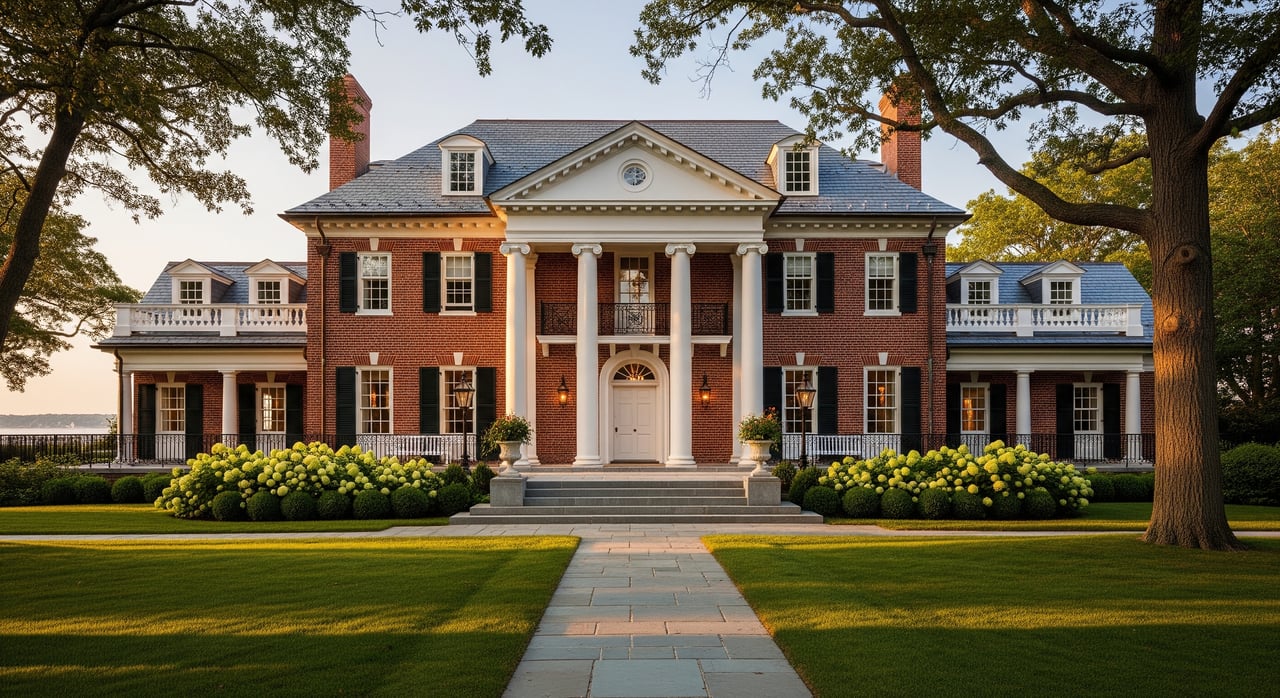
Colonial originals are uncommon but inspiring, while Colonial Revival homes from about 1890 to 1940 are staples in Rye. Look for symmetrical facades, centered doors with pediments or pilasters, and multi-pane double-hung windows. Interiors often feature formal layouts with crown moldings and detailed millwork. Expect less open flow, possible single-pane windows, and in very old structures, legacy wiring or plaster that calls for sensitive work.
- What to watch: preserve original trim when possible and consider storm windows or interior secondary glazing to boost efficiency without replacing sash.
Shingle Style cottages
Late 19th and early 20th-century Shingle homes fit the coastal setting. You will see continuous wood shingles, broad porches, and complex rooflines that feel relaxed and seaside friendly. Many started as seasonal cottages that were later winterized, so ask about insulation, windows, and any converted porches.
- What to watch: salt air can accelerate rot and fastener corrosion. Inspect decks, railings, and exposed trim for integrity and moisture.
Queen Anne Victorian
Victorians from about 1880 to 1910 show asymmetrical facades, turrets or towers, patterned shingles, and wraparound porches. Interiors can be ornate with stained glass, decorative tile, and historic plaster. Rooms may be smaller and on multiple levels, which adds charm but may require thoughtful updates for modern living.
- What to watch: multigabled roofs hide flashing issues. Plan updates that protect decorative elements and original finishes.
Tudor Revival
Built largely from 1910 to 1940, Tudors feature steep roofs, masonry or stone bases with stucco and half-timbering above, grouped windows, and arched doorways. Inside, you often get cozy rooms and masonry fireplaces that anchor living areas. These homes are character-rich and benefit from specialized exterior care.
- What to watch: moisture management behind stucco, careful roof flashing, and periodic attention to leaded glass and wood windows.
Craftsman and Bungalow
Craftsman homes from 1905 to 1930 deliver practical layouts and authentic details. Look for low-pitched gables, exposed rafter tails, tapered porch columns, and built-ins. These homes live efficiently and are popular with buyers who want original woodwork and character at a manageable scale.
- What to watch: preserve built-ins and floors. Plan discreet insulation and mechanical upgrades that do not compromise finish details.
Mediterranean Revival
Interwar Mediterranean and Spanish Revival homes show stucco walls, arched openings, courtyards, and red tile roofs. The light-filled rooms and indoor-outdoor flow suit Rye’s coastal climate. Roofs and stucco need specialized care to perform well over time.
- What to watch: choose contractors familiar with clay tile and stucco systems to avoid moisture intrusion.
Midcentury and postwar
From the 1940s to the 1970s, Rye saw ranches, Capes, and midcentury modern homes that prioritize function and indoor-outdoor flow. You will find larger windows and some open plans that appeal to today’s preferences. System updates are common needs in this group.
- What to watch: aging roofing membranes, insulation gaps, and older glazing that may be less efficient.
Contemporary waterfront
Late 20th and 21st-century waterfront homes maximize views with expansive glass, decks, and elevated living areas. Many incorporate flood-resilient design and modern amenities. These properties pair lifestyle appeal with coastal engineering considerations.
- What to watch: bulkheads, pilings, corrosion of metal components, and stormproofing details should be reviewed regularly.
What living in a historic home means
Historic homes deliver craftsmanship, lasting materials, and a sense of story. You also inherit the building’s original planning, which may mean more formal rooms or compartmentalized spaces. Systems may span generations, from original windows to updated HVAC, so you will want a plan for phased improvements. With care, you can keep character intact while creating a comfortable daily routine.
Ownership costs and planning
Restoration-grade work often costs more per square foot because it relies on specialty trades, custom millwork, and careful methods. Budget for contingencies, especially if walls or roofs will be opened. Older plumbing and electrical systems can add scope when you modernize kitchens or baths. A smart plan prioritizes safety, weather protection, and efficiency, then layers in design upgrades.
Preservation rules in Rye
Historic recognition occurs at different levels. National Register listing provides recognition and potential eligibility for certain programs but does not usually restrict private owners unless federal funding or permits are involved. Local landmark or historic district designation is different and can require review of exterior changes, demolitions, or major alterations before permits are issued. Interior work is less commonly regulated unless part of a specific local designation.
- What to check before you buy: whether the property sits in a local historic district, what review standards apply, and how demolition controls are handled.
- Possible incentives: federal rehabilitation tax credits typically apply to income-producing properties. New York State and local programs vary and are often aimed at larger rehabilitation or public-benefit projects. Confirm current options with state and local authorities.
- Insurance and flood: historic features can affect replacement-cost calculations. Waterfront properties in FEMA flood zones often require flood coverage, which can influence underwriting and premiums.
Smart updates that respect character
You can make a historic home more efficient without losing its soul. Focus on air sealing and attic insulation first. Add weatherstripping and consider storm windows or interior secondary glazing to preserve original sash. High-efficiency HVAC, including mini-split heat pumps, can be a low-impact choice. If you add wall insulation, use methods that manage moisture to protect plaster and wood.
Inspections to prioritize
Bring the right team to your evaluation so you understand condition and costs.
- General home inspector who is experienced with older houses
- Structural engineer for foundations, sagging floors, and porch or roof supports
- Historic preservation architect or contractor for sensitive rehabilitation plans
- Mechanical, electrical, and plumbing specialists for vintage systems
- Chimney inspection and sweep
- Pest inspection for wood-destroying insects
- For shoreline properties, a marine or coastal engineer to assess bulkheads, pilings, erosion, and elevation
Waterfront and flood resilience
If you are considering a waterfront home, review FEMA flood maps, Base Flood Elevations, and recent local floodplain rules. Ask for elevation certificates and any records of past flooding. Codes may require elevating utilities, using flood-resistant materials, or elevating living areas during major reconstruction. These steps protect your investment and can improve long-term insurability.
Financing renovations
Standard mortgages, along with renovation products like FHA 203(k) and Fannie Mae HomeStyle, can bundle repair costs with your purchase. Work closely with your lender to confirm which improvements qualify and how appraisals will treat historic features. Large projects often benefit from staged financing and thorough allowances for hidden conditions.
Resale and market outlook
Historic character is a strong selling point in Rye when paired with thoughtful updates and solid maintenance. Buyers respond to original details that function well, efficient systems, and layouts that live comfortably. Highly specialized restoration needs can narrow the pool, while sensitively modernized homes often command a premium.
How to start your search
Begin with your must-haves, then match them to the era that fits your lifestyle. Love open living and large windows? Midcentury or contemporary may fit. Prefer formal rooms, millwork, and storybook curb appeal? Colonial Revival, Tudor, or Shingle Style might be right for you. Walk neighborhoods at different times of day, and focus on condition and site factors like drainage, orientation, and proximity to the water. When you are ready, partner with a local advisor who understands Rye’s housing stock, permitting path, and contractor community so you can move with confidence.
Ready to explore Rye’s historic homes or plan your next move? Connect with a trusted local advisor for clear steps, market context, and a tailored plan that fits your goals. Reach out to Nancy Everett to request a complimentary valuation or a confidential consultation.
FAQs
How can I confirm a Rye home is historic?
- Check year built, look for defining architectural features, and review local planning maps for historic districts. Municipal offices and local historical organizations can help you verify status.
Does a National Register listing restrict renovations?
- National recognition usually does not restrict private owners unless federal funding or permits are involved. Local landmark or district designation can require review of exterior changes before permits.
Are there tax incentives for owner-occupied restorations?
- Federal rehabilitation tax credits generally apply to income-producing properties. State and local incentives vary, so confirm current programs with state and municipal authorities.
What inspections should I get for an older Rye home?
- Arrange a general inspection plus specialists for structure, mechanicals, chimneys, and pests. For waterfront properties, add a marine or coastal engineer to assess shoreline infrastructure.
How much more does historic maintenance cost?
- Expect higher costs for restoration-grade work due to specialty trades and custom materials. Build a healthy contingency for hidden conditions like rot, outdated wiring, or aging plumbing.
Do waterfront homes in Rye require flood insurance?
- If the property lies in a FEMA flood zone and the mortgage is federally regulated, flood insurance is typically required. Even outside mapped zones, consider coverage based on coastal exposure.