Trying to figure out which part of Larchmont fits your lifestyle can feel like a puzzle. You might want a quick walk to coffee and the train, dream of sunset strolls by the Sound, or need a bigger yard without losing access to town. This guide shows you how to match your priorities to the right streets, what trade-offs to expect, and the key checks that keep your search on track. Let’s dive in.
Larchmont at a glance
Larchmont is a small, walkable village on Long Island Sound with a charming downtown, a Metro-North station, and standout waterfront parks and clubs. You will find a mix of historic homes near the shore, classic single-family streets, and some condo and co-op options close to the station. To get a feel for the village character and amenities, start with this community overview from Visit Westchester.
Four lifestyle pockets in Larchmont
Station and village center
If daily convenience is your top priority, look near the Metro-North station and along Larchmont Avenue. You can walk to shops, cafes, the library, and the seasonal farmers market near the station. Homes include smaller single-family houses and some condo or co-op buildings.
- Best for: Short walk to train and errands, active village life
- You will love: Quick coffee runs, frequent village events, easy commuting
- Keep in mind: Smaller lots, more evening foot traffic, parking rules for guests and second cars
- What to check: Actual walk time to the station, sidewalk quality, and local parking rules in the village code
Manor and waterfront
The Manor and harbor-front blocks offer shoreline walks at Manor Park and proximity to a strong boating and sailing culture. Several private clubs, including the Larchmont Yacht Club, anchor the community’s waterfront life. Many homes here are grand Victorians and early 20th-century residences with historic character.
- Best for: Waterfront access, scenery, and boating culture
- You will love: Shoreline paths, harbor views, and seasonal social calendars
- Keep in mind: Premium prices, higher maintenance near salt air, possible flood insurance requirements
- What to check: FEMA flood zone, club membership details, and any past shoreline or foundation work; use FEMA’s Flood Map Service Center
Interior north of the railroad
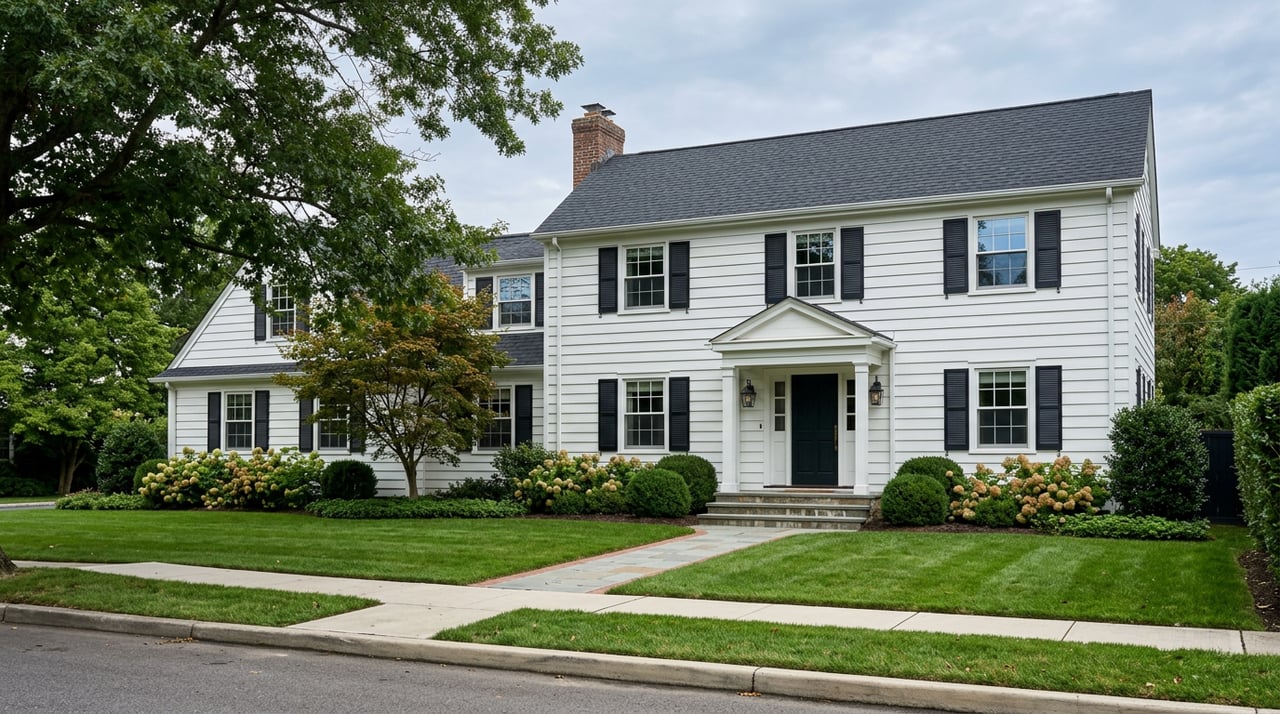
Blocks north of the tracks tend to be quieter with a more typical suburban feel. You may find slightly larger yards relative to price compared with the immediate waterfront. Housing styles vary across Colonials, Tudors, Capes, and ranches, reflecting Larchmont’s established residential history noted in local archives like the Larchmont Gazette.
- Best for: More space for the budget, quieter residential streets
- You will love: Larger yards for the area, less bustle
- Keep in mind: Longer walk to the train and shops
- What to check: Commute timing and whether bus service or parkway access fits your routine
Edges and neighboring pockets
If you want even larger lots, newer construction, or a different price band, consider adjacent neighborhoods in Mamaroneck or New Rochelle. Some premium waterfront enclaves in neighboring towns are part of the same coastal lifestyle market. For nearby context, explore this New Rochelle neighborhoods list.
- Best for: Space and different construction eras
- You will love: More options across price points and lot sizes
- Keep in mind: You may trade a longer commute walk, different taxes, or different village services
- What to check: Commute time, municipal services, and taxes before widening your search
Compare by lifestyle criteria
Walkability and village shops
“Walkable” here often means a 3 to 12 minute walk to the Larchmont Avenue shops and the station. The station area also hosts a seasonal Saturday farmers market. To gauge everyday convenience, use a map to plot routes and visit at different times of day, then cross-check local meters and time limits. For a feel of downtown attractions, see Visit Westchester’s Larchmont guide.
What to verify on a visit:
- Walk time from door to station and main shops
- Sidewalks, lighting, and evening foot traffic
- Parking time limits near your street
Waterfront recreation and boating
The Manor and harbor area includes public shoreline paths and a strong boating scene. Private clubs are central to summer life, and membership policies vary. Junior sailing programs and seasonal events are common. For context on club roles and history, see the Larchmont Yacht Club overview.
What to verify before you buy:
- Whether the property has any dock rights or specific club access
- Waitlists, fees, or guest policies for local clubs
- Exact park access points, plus any seasonal parking rules
Commuting and parking
Larchmont is on Metro-North’s New Haven Line. One-way rides to Grand Central vary by train and are commonly in the 25 to 45 minute range depending on express or local service. Always confirm your exact trains and stops using current timetables; the line overview is here: New Haven Line.
If you plan to drive and park at the station, study local rules. The village code details permit lots, hours, and restrictions, which can change by season. Review the Larchmont municipal code, and for practical tips on station parking and permits, this user guide is a helpful starting point. If you rely on buses or major roads, note that Westchester’s Bee-Line serves the area and that US-1, I-95, and the Hutchinson River Parkway are key routes. The county’s site offers local transit context on pages like this Bee-Line reference.
Housing styles and renovation plans
You will see a range of traditional styles, including Victorians and early 20th-century homes near the shore, plus Colonials, Tudors, Capes, and ranches inland. If you plan to add space or rebuild, check zoning first. Local discussions about massing and tear-downs are not new, and rules can affect setbacks, floor area, and timelines. For current rules, review the village code; for context on moratoria and development controls, see local reporting like this overview.
What to verify with officials:
- Zoning district, FAR, and setback limits for the property
- Any active moratoria or pending code changes
- Architectural review and permit timelines
Flood risk and insurance
Near-coast and waterfront properties can sit in FEMA flood zones. That may change insurance premiums, elevation requirements, and long-term costs. Before you fall in love with a view, pull the address on FEMA’s Flood Map Service Center and speak with insurers about potential coverage.
What to verify early:
- Flood zone designation and base flood elevation
- Any elevation certificates or recent mitigation work
- Estimated NFIP or private market policy costs
Parks and family programs
Local favorites include Flint Park for fields and concerts, Manor Park for shoreline walks, and Sheldrake for nature programs. Proximity to these spots shapes daily life, from pick-up sports to quiet morning walks. For a snapshot of area parks and arts, review Visit Westchester’s Larchmont profile.
Trade-offs by buyer goal
If you want a short, walkable life and fast commute
- Focus: Station-adjacent blocks and the Larchmont Avenue corridor
- Advantages: Quick train access, easy errands, vibrant village feel
- Trade-offs: Smaller yards, more evening activity, tighter parking for multiple cars
- Verify: Walk time to station, meter limits, and any permit-only street rules in the village code
If you prioritize waterfront access, boating, or views
- Focus: Blocks near Manor Park and the harbor
- Advantages: Immediate shoreline access, scenic value, sailing culture
- Trade-offs: Higher prices, specialized maintenance, potential flood insurance
- Verify: FEMA flood zone, club policies and fees, and recent shoreline work; start with FEMA’s map tool and the Larchmont Yacht Club overview
If you want a larger lot at a lower premium
- Focus: Interior streets north of the railroad or village-edge areas, and consider nearby towns
- Advantages: More yard for the money, quieter residential blocks
- Trade-offs: Longer walk to downtown and train, more driving for errands
- Verify: Commute options, bus schedules, and parkway access; see county transit context like this Bee-Line reference
If you plan to renovate or rebuild
- Focus: Properties marketed for expansion potential or with larger lots
- Advantages: Space tailored to your needs, potential equity upside
- Trade-offs: Zoning limits, possible moratoria, review processes that can affect timing
- Verify: FAR, setbacks, demolition rules, and permit process with the Planning Department and village code, plus local coverage such as this roundup
Field checklist for smarter tours
Pre-search checks:
- Look up the address on FEMA’s Flood Map Service Center and note the flood zone
- Confirm zoning classification and any active moratoria in the village code
- Check Metro-North schedules on the New Haven Line for your exact commute window
- Map walk times to Larchmont Avenue, the station, Manor Park, and Flint Park
On-site checks:
- Walk the route to the station and shops morning, midday, and evening
- If waterfront, visit at high tide or after storms and note any seawalls or recent shoreline work
- Test parking near the station and time your walk; if you plan to drive daily, test I-95 and Hutchinson River Parkway access at peak hours
Questions to ask:
- Sellers: Flood history, elevation certificate, recent foundation or coastal work, utility costs
- Village offices: Permit availability for station lots, current parking rules, and permit timelines for major work
Simple scoring tool:
- Rate each address 1 to 5 on walkability, commute time, waterfront access, yard size, renovation risk, and budget impact. Compare totals to see which blocks really fit your life.
Your next step
If you want a neighborhood-first search that balances walkability, water, commute, and long-term value, you do not have to figure it out alone. With deep local knowledge and a calm, full-service approach, I will help you narrow to the right streets fast and avoid surprises on parking, permits, and flood risk. Ready to talk through your wish list and timeline? Connect with Nancy Everett to request a complimentary home valuation or confidential consultation.
FAQs
How long is the train ride from Larchmont to Grand Central during rush hour?
- Larchmont sits on Metro-North’s New Haven Line, and one-way rides commonly range from about 25 to 45 minutes depending on express or local service; confirm your exact trains using current New Haven Line timetables.
What should I know about parking at the Larchmont train station?
- Village lots include a mix of permits and meters, with rules that vary by lot and season; review current regulations in the Larchmont municipal code and use this practical parking guide as a starting point, then confirm details with the Village Clerk.
How do I check if a home is in a flood zone in Larchmont?
- Enter the property address in FEMA’s Flood Map Service Center to see the official flood zone and discuss elevation and insurance with your insurer or engineer before you make an offer.
Where should I focus if I want a bigger yard in Larchmont?
- Look at interior streets north of the railroad and village-edge areas for more yard relative to price, and consider nearby neighborhoods in Mamaroneck or New Rochelle if you want even larger lots.
What are the key differences between waterfront and interior areas?
- Waterfront blocks offer shoreline access, clubs, and views at a premium with potential flood and maintenance considerations, while interior areas often trade views for larger yards, quieter streets, and lower price per square foot.