Pricing a luxury home in Purchase can feel tricky. In a market with fewer direct comps and selective buyers, a small misstep can cost you time and six figures. You want a confident number backed by evidence, not guesswork. In this guide, you’ll learn the factors that drive value in Purchase, how to build a defensible price range, and a clear, step-by-step plan to launch with confidence. Let’s dive in.
Price fundamentals in Purchase
Purchase sits within Westchester County’s luxury market and is shaped by NYC commuter demand, property tax considerations, and the scarcity of large, private lots. For $2M-$5M homes, inventory can be thin and days on market can run longer than entry-level segments. Your goal is to price to the most likely buyer pool while highlighting what makes your property stand out.
Comparable sales set the anchor
Closed sales are your baseline. Focus on properties within about a mile, similar acreage, and square footage within roughly 20 to 30 percent. When comps are scarce, include Harrison, Rye, Scarsdale, and White Plains with clear adjustments.
- Adjust for size using price per square foot.
- Account for lot size, privacy, condition, age, and luxury amenities.
- Document every adjustment to reduce appraisal risk later.
New construction competition
Recent or upcoming spec homes influence buyer expectations for layout, ceiling height, systems, energy efficiency, and warranty. If nearby new builds set a higher finish standard, you either invest in targeted updates or price accordingly. Compare on usable square footage and finish level rather than just bedroom count.
Finish level and systems
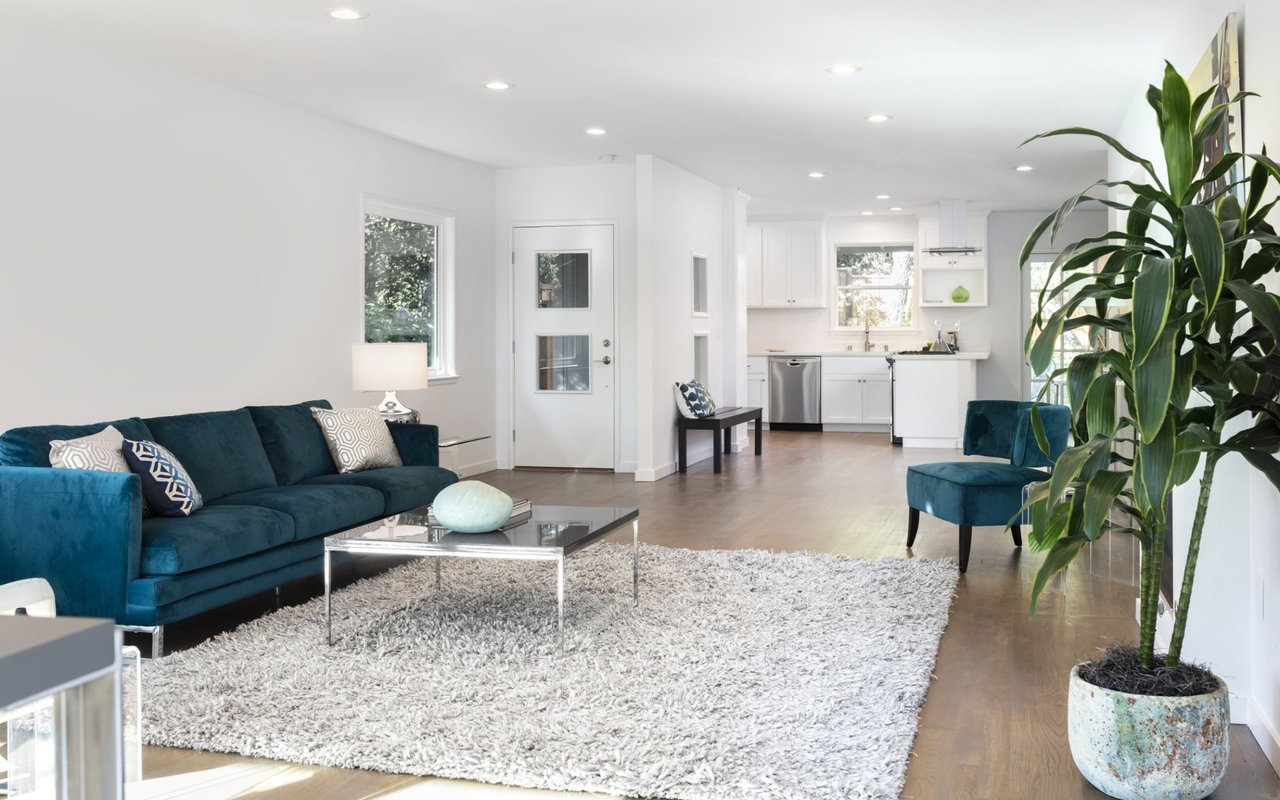
Buyers in this band value turnkey condition. High-end kitchens and baths, updated HVAC and roofing, energy upgrades, and smart-home features improve perceived value and reduce buyer renovation risk. Older but well-maintained is positive, but top-tier finishes often command stronger offers and a faster sale.
Acreage, privacy, and setting
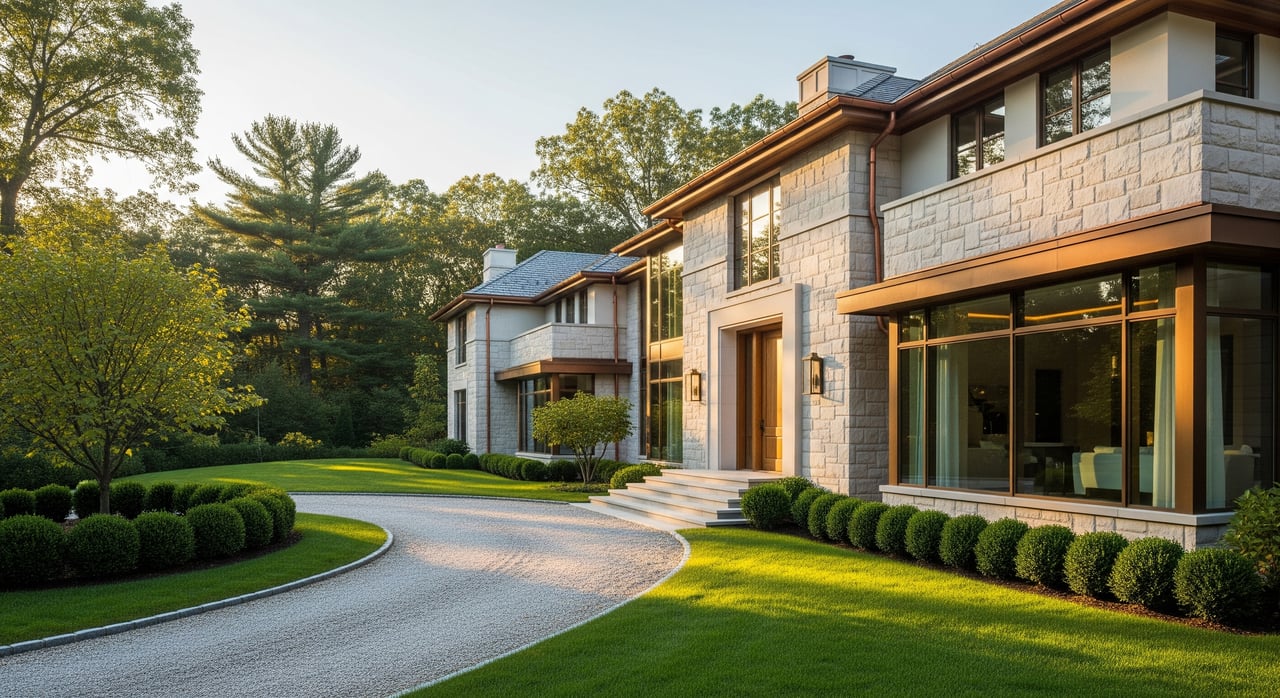
Large, private parcels are limited in Westchester and can justify premiums. Orientation, mature trees, setback from the road, and outdoor amenities matter. Highlight usable yard, pool-ready space, and any guest structures.
Location and access
Commuter rail and highway access influence your buyer pool, especially those coming from Manhattan. School district boundaries are part of how buyers filter homes, so state the district clearly and neutrally. Nearby corporate campuses and universities can also support demand.
Buyer pool and financing
Expect a mix of NYC professionals, local move-ups, and relocating executives. Many use jumbo financing, and underwriting standards can affect how many buyers qualify at your price. Stock market swings and rate shifts can change urgency, so timing and flexibility matter.
Taxes and holding costs
Westchester’s property taxes are a meaningful ownership cost and buyers will model them carefully. When pricing, factor taxes, utilities, maintenance, and expected closing costs into your net proceeds plan. Being prepared with clear numbers builds trust and confidence.
The Nancy pricing framework
This practical approach helps you set a defensible price range and align your marketing to the most likely buyer.
Step 1: Market diagnostic
Pull 12 months of closed sales and 6 months of active and pending listings in the $2M-$5M band for Purchase and nearby towns. Capture square footage, acreage, year built, major renovations, systems, and amenities like pool or guest house. Note the school district and commuter options to anticipate buyer questions. Confirm current jumbo-loan conditions through local lenders.
Step 2: Build and adjust your comp set
Select 6 to 12 comparables, prioritizing recent closed sales close to your property. Use price per square foot for size adjustments, then refine for lot, condition, and amenities. Produce a low, median, and high value range rather than a single number.
Step 3: Choose your market position
Pick a strategy based on inventory and finish level.
- Aggressive list: Priced to generate buzz and faster showings; works when you want speed and strong early interest.
- Market value list: Mid-range of your comp-adjusted values; balanced time on market with high odds of selling near list.
- Premium list: Aspirational pricing when scarcity and standout features exist; often needs more time and thoughtful staging.
For many Purchase listings in this band, middle to slightly premium pricing works when the home competes on finish and privacy.
Step 4: Targeted pre-list improvements
Focus on changes that boost perceived value quickly.
- Kitchen and bath refreshes, lighting updates, and paint in current, neutral palettes.
- Mechanical servicing and visible maintenance to signal a well-kept home.
- Curb appeal and landscaping for strong first impressions.
- Professional staging to clarify layout and scale.
Create a simple cost-versus-expected-uplift matrix so you invest where it moves price or speed.
Step 5: Marketing matched to price
Identify likely buyers: NYC commuters, local executives, and move-up families. Tailor storytelling around privacy, outdoor living, turnkey condition, and access to transit and amenities. Use professional photography and film, property brochures, and private broker tours to support your chosen price.
Step 6: Launch, monitor, and iterate
Track showings, broker feedback, and engagement in the first 2 to 4 weeks. If activity is below expectations and feedback cites price, plan a documented adjustment supported by comps and recent shifts. Set your negotiation thresholds and minimum acceptable net in advance.
What to prepare before pricing
A little organization shortens time on market and strengthens your value story.
- Comp checklist: Address, sale date, sale price, square footage, lot size, beds/baths, notable amenities, days on market, adjustments, adjusted price per square foot.
- Property dossier: Renovation dates, system updates, utility averages, surveys, permits, and known easements.
- Seller net scenarios: Aggressive, market, and premium list price paths with estimates for commission, transfer taxes, repairs, and closing costs.
Common pricing pitfalls to avoid
- Overweighting actives: Use active and pending listings for context, but anchor valuation to recent closed sales.
- Ignoring new-build standards: Compare layout, systems, and finish against nearby spec homes.
- Underestimating taxes and carrying costs: Buyers model the monthly picture. Be ready with clear figures.
- Skipping documentation: Provide your comp book to appraisers and buyers to reduce friction later.
When to adjust your price
Your first 14 to 30 days set the tone. If buyers are viewing but not offering, feedback often points to price, layout, or finish. If the home is priced near the top of the range, small adjustments can reset attention and widen your buyer pool. Tie any change to a clear market signal and communicate it proactively.
Work with a trusted local advisor
Pricing in Purchase is part data, part nuance. You want a thoughtful strategy, strong comp support, and boutique marketing that showcases what makes your home special. If you’re considering a sale, connect with Nancy Everett for a complimentary valuation or a confidential conversation about timing, improvements, and market positioning.
FAQs
How many comps do I need to price a Purchase luxury home?
- Aim for 6 to 12 closed sales. If true local comps are limited, expand to nearby towns with similar lot profiles and document larger adjustments.
Do high-end kitchens and full renovations pay off in Purchase?
- They reduce buyer renovation risk and can lift price and speed, but ROI varies by scope; prioritize updates with strong market appeal and current finishes.
How should I value pools, guest houses, or acreage?
- There is no universal dollar rule; value depends on local scarcity and buyer preferences. Use recent large-lot and amenity sales to guide adjustments.
How do new-construction homes affect my pricing?
- New builds raise the bar for layout, ceiling height, systems, and efficiency. Older homes must match on finish and function or price below to compete.
Should I price above comps to leave room to negotiate?
- It can work if momentum and competition are clear. In thin luxury markets, overpricing often extends days on market and leads to reductions.
How much does appraisal risk matter at $2M-$5M?
- With fewer comps and larger adjustments, appraisal gaps are more likely. Mitigate by preparing a strong comp book and aligning price with supported values.
Do property taxes affect buyer demand in Westchester?
- Yes. Higher property taxes affect monthly affordability and reduce the qualified buyer pool. Be ready to discuss effective rates and exemptions.
What’s different about marketing a $2M-$5M listing?
- Expect targeted outreach, professional storytelling, premium visuals, and broker previews. Your pricing must reflect both scarcity and lifestyle.